
Supporting Literacy At Home
Oral Language & Vocabulary - lots of talking & interactions (conversational turns), Build vocabulary and real-world knowledge when at home, out in neighbourhood, on trips, etc.
Phonemic Awareness - syllables, rhyme, tongue twisters, alliteration
Phonics - letter names, sounds, sounding out words
Read-Alouds - Continue read-alouds even when child is reading independently!
Fine Motor Skills - Drawing, colouring & writing with proper grip.
But also play dough, squeeze toys in bath, beading, tweezers, etc.
Provide Opportunities & Encouragement
Communicate With & Support School
Vision & hearing testing, investigate speech issues
Make Literarcy Fun!
The better kids can read, the more they love it!
Access to reading materials of interest
Visit local library
Authentic opportunities: penpal letters/emails with relatives, holiday wish lists, meal menus, grocery list
Enlist siblings to read with/to each other
Make technology work for you
Model: necessity and enjoyment of literacy
Fostering a Love of Writing at Home
This video is from Home Reading Helper, a resource for parents to elevate children’s reading at home provided by Read Charlotte. Find more video, parent activities, printables, and other resources at Home Reading Helper. (This is a US sight but many of the resources are applicable for Canada)
Video Source
The Benefits of Audiobooks
☆Introduce students to books above their reading level
☆Model good interpretive reading
☆Teach critical listening
☆Highlight the humor in books
☆Introduce new genres that students might not otherwise consider
☆Introduce new vocabulary or difficult proper names or locales
☆Sidestep unfamiliar dialects or accents, Old English, and old-fashioned literary styles
☆Provide a read-aloud model
☆Provide a bridge to important topics of discussion for parents and children who can listen together while commuting to sporting events, music lessons, or on vacations
☆Recapture “the essence and the delights of hearing stories beautifully told by extraordinarily talented storytellers” (Baskin & Harris, 1995, p. 376)
Resources:
English Letter Sounds
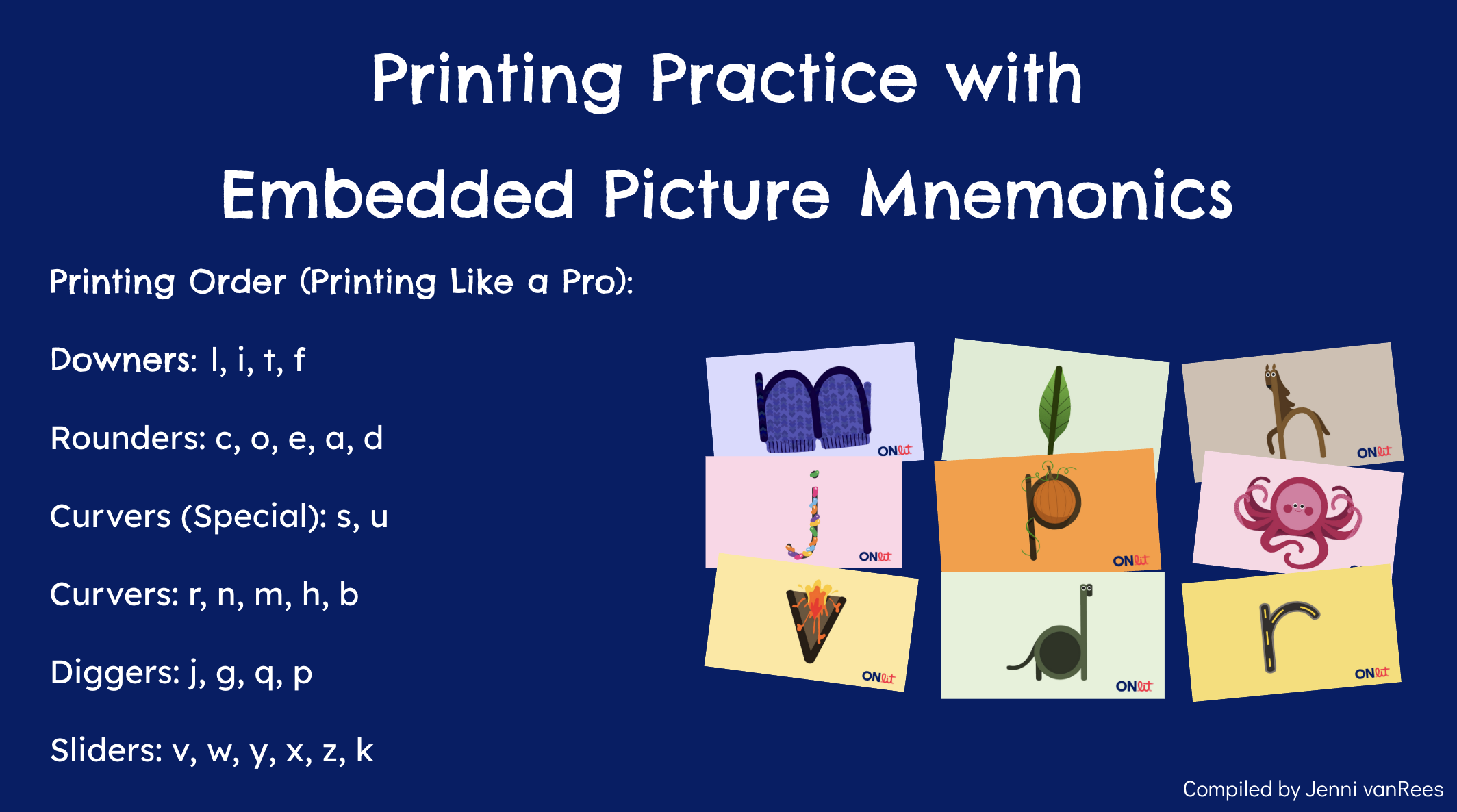
Printing Practice - When students form letters from the bottom up instead of top down, several problems can develop over time:
slower less efficient writing
inconsistent letter size and shape
poor muscle memory
fatigue and hand strain
Help correct your child's printing today!
English Heart Words - An irregular word is one that cannot be readily decoded because either it includes grapheme-phoneme correspondences that are unique to that word or a few words (permanently irregular words), or the student has not yet learned all the grapheme-phonemecorrespondences in the word (temporarily irregular words).
French Sight Words - French is highly decodable, therefore, most of these words are taught as temporary sight words until the sounds have been explicitly taught French Immersion High Frequency Word List
More Resources:
Games to Play with Heart Words/Sight Words - Sight Word Games
Free English Decodable Tex - Beyond Decodable - Download PDF
Developing Writing and Spelling at Home - Article
Find a list of writing activities to try at home - Writing Activities
Start with a Book is great website to find books that match your child's interests
Looking for an Ipad/Iphone app here is a website that allows you to choose a topic (sight words) and find apps that will help with that skill. Note: These apps have not been vetted by Victory Staff