Director’s Annual Report 2024-2025
As I reflect on the 2024–2025 school year, one word rises above the rest: momentum. Over the 2024–25 school year, UGDSB continued to make measurable progress in student achievement, aligned with our Multi-Year Plan priority of Foundational Education & Student Achievement. Through the Let’s GO! UGDSB action plan, we implemented a system-wide approach to support literacy and math achievement, using data-driven instruction, early intervention, and ongoing monitoring to ensure all learners are on track.
Foundational Education and Student Achievement
The key priority of our MYP and the priority that encompasses all of our strategic areas of focus is Foundational Education and Student Achievement. Achieving our vision for 2026+ involves establishing and sharing clear goals for student outcomes, and regularly monitoring student progress in order to provide early interventions. In addition, school and system leaders ensure that high leverage, instructional strategies are supported and implemented in all classrooms. The board's investments and laser focus on foundational skills, primarily literacy and math, continued to result in meaningful gains in student achievement.
Student Achievement Plan: Outcomes in Math and Literacy
We are pleased to report on the significant outcomes achieved through our Student Achievement Plan, demonstrating the effectiveness of targeted, evidence-based interventions in building foundational skills.
Overall EQAO Results
UGDSB continues to demonstrate exceptional progress on EQAO assessments, with improvements across all assessments. In Grade 3, student achievement increased in Reading (+6 percentage points), Writing (+5), and Mathematics (+4), with UGDSB outperforming provincial results in all three areas. Strong gains were also evident in Grade 6, where UGDSB exceeded provincial averages in Reading, Writing, and Mathematics, and in Grade 9 Mathematics, where results improved by five percentage points year over year. These results reflect the impact of sustained, system-wide focus on core academic skills and targeted instructional supports
Literacy
Our continued focus on early intervention is delivering meaningful results for students, particularly in the early years. More than 670 Grade 1 learners received targeted support from specialized Early Reading staff, supported by the introduction of a new Kindergarten to Grade 2 reading screener that strengthened our ability to identify learning gaps early and respond effectively. The majority of students receiving support demonstrated improvement or maintained strong progress despite increasingly rigorous expectations, and for those requiring the most intensive intervention, outcomes were especially encouraging—nearly 30% no longer required the highest level of support. Overall growth in EQAO results reflects deliberate investments in early reading teachers, primary/junior reading facilitators, ongoing screening and progress monitoring, and high-quality instructional resources delivered through the Virtual Learning Environment, alongside focused Grade 3 EQAO strategies and evidence-informed approaches to phonics, morphology, and the reading–writing connection that together strengthened classroom practice and accelerated student achievement.
Mathematics
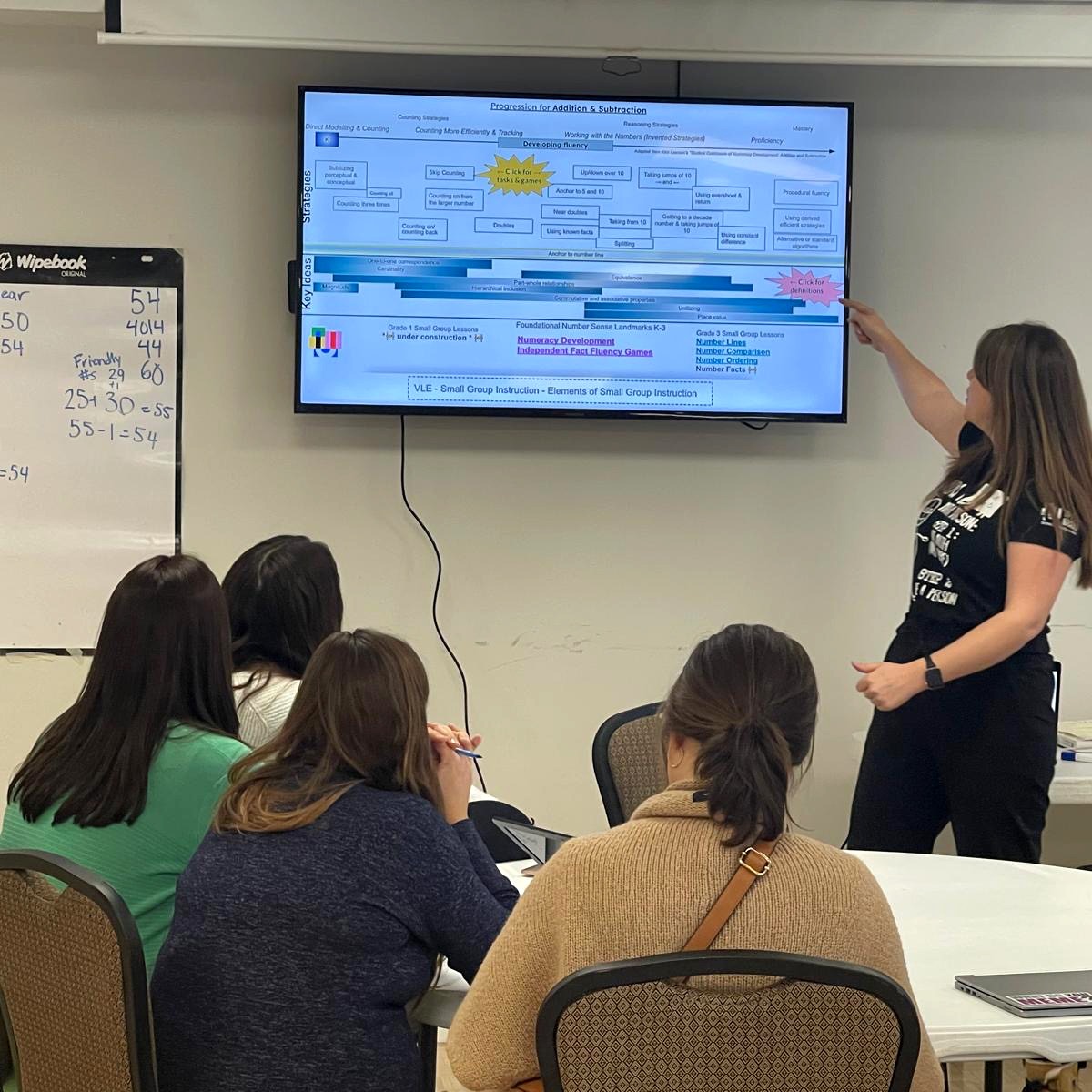
Targeted mathematics supports across the system are driving clear and measurable improvements in student achievement. In the early years, focused intervention led to a significant reduction in the number of Grade 1 students requiring additional support, reflecting stronger foundational number sense and early skill development. Grade 3 Mathematics achievement also improved. At the secondary level, dedicated support for students enrolled in the de-streamed Grade 9 mathematics course resulted in a substantial increase in credit attainment. This success has been further strengthened by the widespread integration of digital math tools, used by more than 12,000 students and 1,000 teachers to enhance diagnostic insight and instructional practice. Together, these gains reflect the impact of early math screening, targeted student interventions, intensive professional learning through math facilitators and math support teachers, and the Grade 3 Essentials for Success program, supported by strategic use of data, hands-on instruction, manipulatives, and digital tools that are building strong foundations and sustaining system-wide progress.
These results validate the impact of our early, laser focused, and data-driven approach to ensure all students establish strong foundational academic skills. My sincere thanks to the teachers, early childhood educators and educational assistants for their work in classrooms.
Recognized as Leaders
The UGDSB continued to be recognized as a leader in the education space.
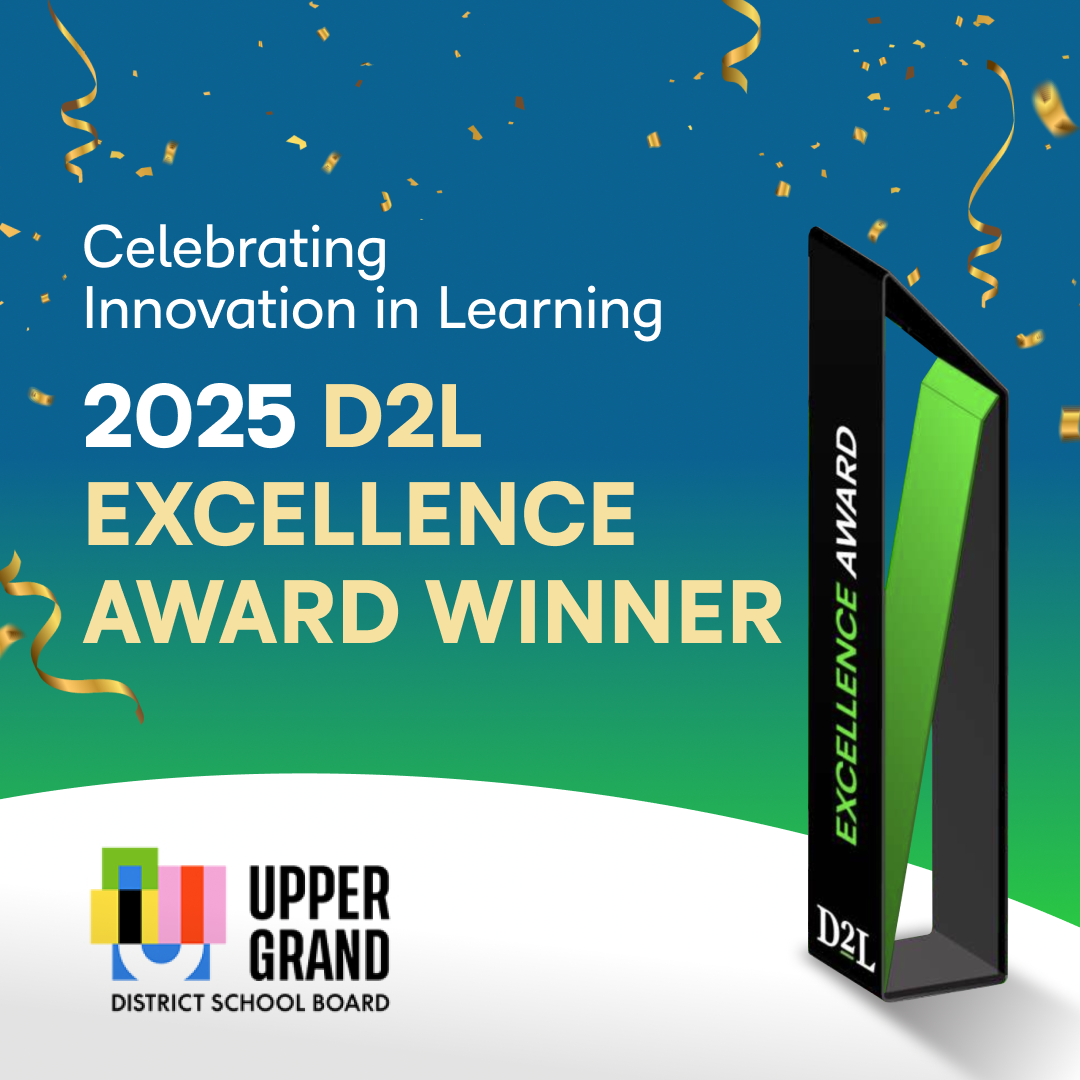
The Program Services Team won the D2L 2025 Excellence Award for their work on the “Let’s GO! UGDSB Learn” online tool. D2L is a global learning technology company and the developer of the Brightspace learning management system. The Excellence Awards celebrate the innovative ways organizations are using D2L Brightspace to truly transform the way people learn. Using the Innovation Lab, the team created a platform where staff can access self-serve, pre-programmed resources and are encouraged to create their own shareable content, including podcasts, video clips, animations, photos, voice-over videos, quizzes, assignments and lectures. This award is a powerful recognition of the UGDSB’s Program Services Team’s vision, innovation, and commitment to supporting our educators and students.
Special Education Supports
The 2024-25 Student Support Services plan included investments in literacy and numeracy. The literacy focus was on strengthening teacher practices through targeted, student-centered interventions, expanding the board-wide Tier 3 literacy program, and ensuring equitable access to high-quality learning materials for struggling readers. A dedicated Speech-Language Pathologist was hired to support evidence-based literacy instruction for students from Grade 1 to Grade 12+. This year’s priorities included board-wide monitoring of the Tier 3 intervention and direct support for programs aiding students with intellectual disabilities. In Math, the Student Support Services team concentrated on creating, developing, and implementing an aligned evidence-based approach to math intervention and student achievement gap reduction. Key areas of focus included the implementation and enhancement of the Math Tier 3 Pilot for grade 3 students and the application of best teaching practices using the junior math kits for targeted math interventions.
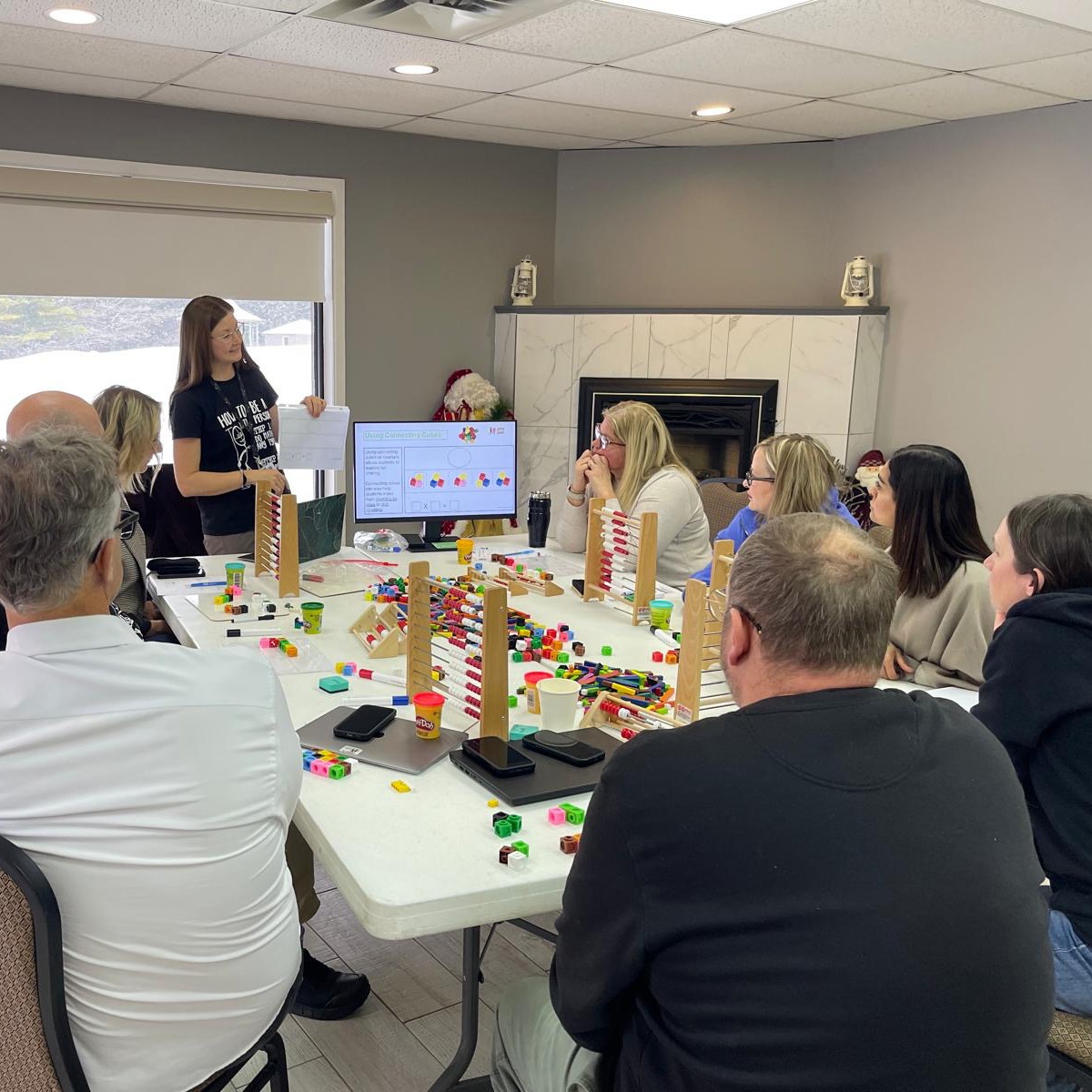
Grade 3 Essentials
The Grade 3 Essentials for Success Professional Learning was held over three days in December. Throughout the day, educators explored strategies to elevate instructional practice and drive student success in literacy and math. Interactive sessions delved into practical approaches to building reading fluency, crafting effective written responses to demonstrate comprehension, and embedding engaging number sense routines into the math block. Hands-on activities with manipulatives and discussions around small-group instruction provided tools to create dynamic and inclusive classrooms where every student thrives.
The day’s focus was on equipping educators with evidence-based practices to ensure that students not only meet but exceed their potential, supporting system-wide goals for achievement in reading and math. Participants left with fresh ideas, practical tools, and renewed inspiration to enhance student learning and success.
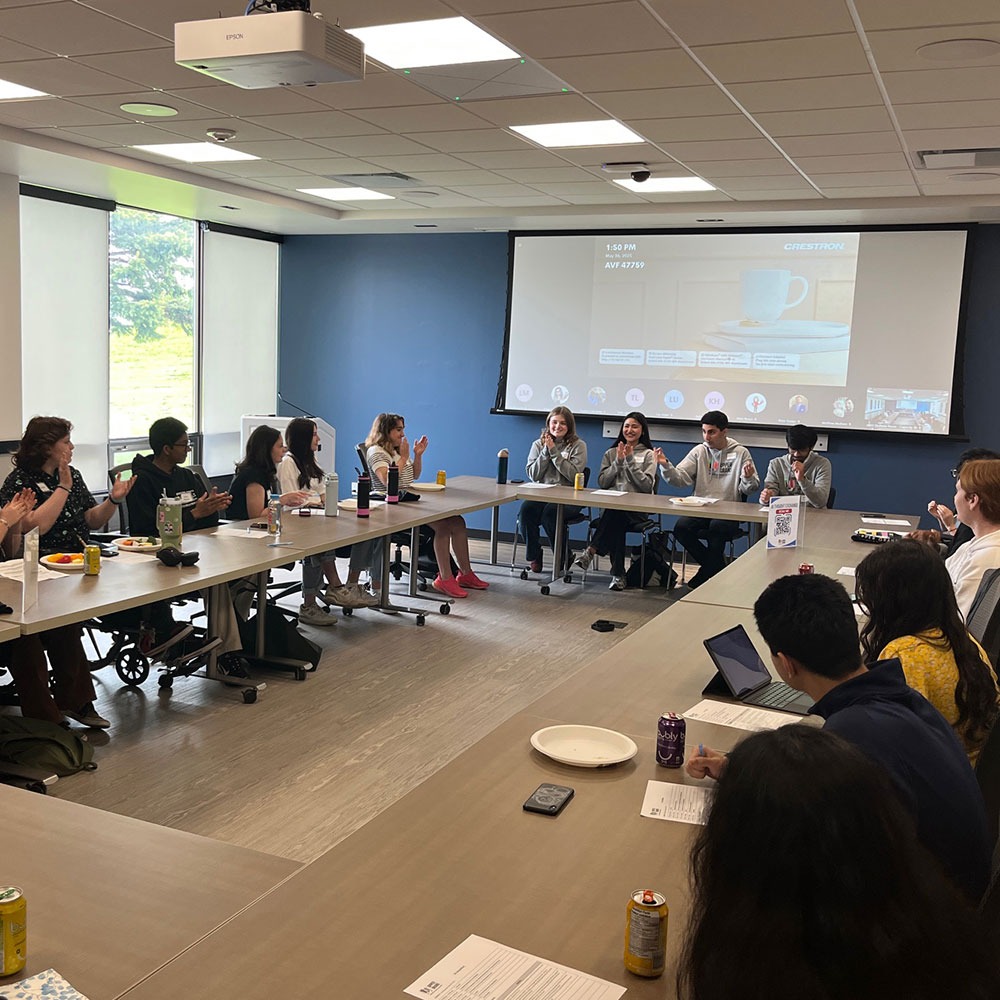
AI and Student Voice
This year, student voice played a key role in shaping our work on artificial intelligence in education. Monthly meetings with the Student Senate provided thoughtful insight and direction. Their leadership helped bring the board’s first-ever AI Amplified symposium to life—a milestone event that reflects our commitment to innovation and partnership with students.
Through their active involvement, students are helping to guide our approach to AI literacy, which is rooted in building skills in Math, Language, Human Rights, and Sustainability. One of the year’s highlights was the student-led AI fireside chat at the March System Leaders’ Meeting, where students shared their perspectives and inspired leaders across the board. Their voice is not just being heard—it is driving action.
Inspire a Lifelong Love of Learning
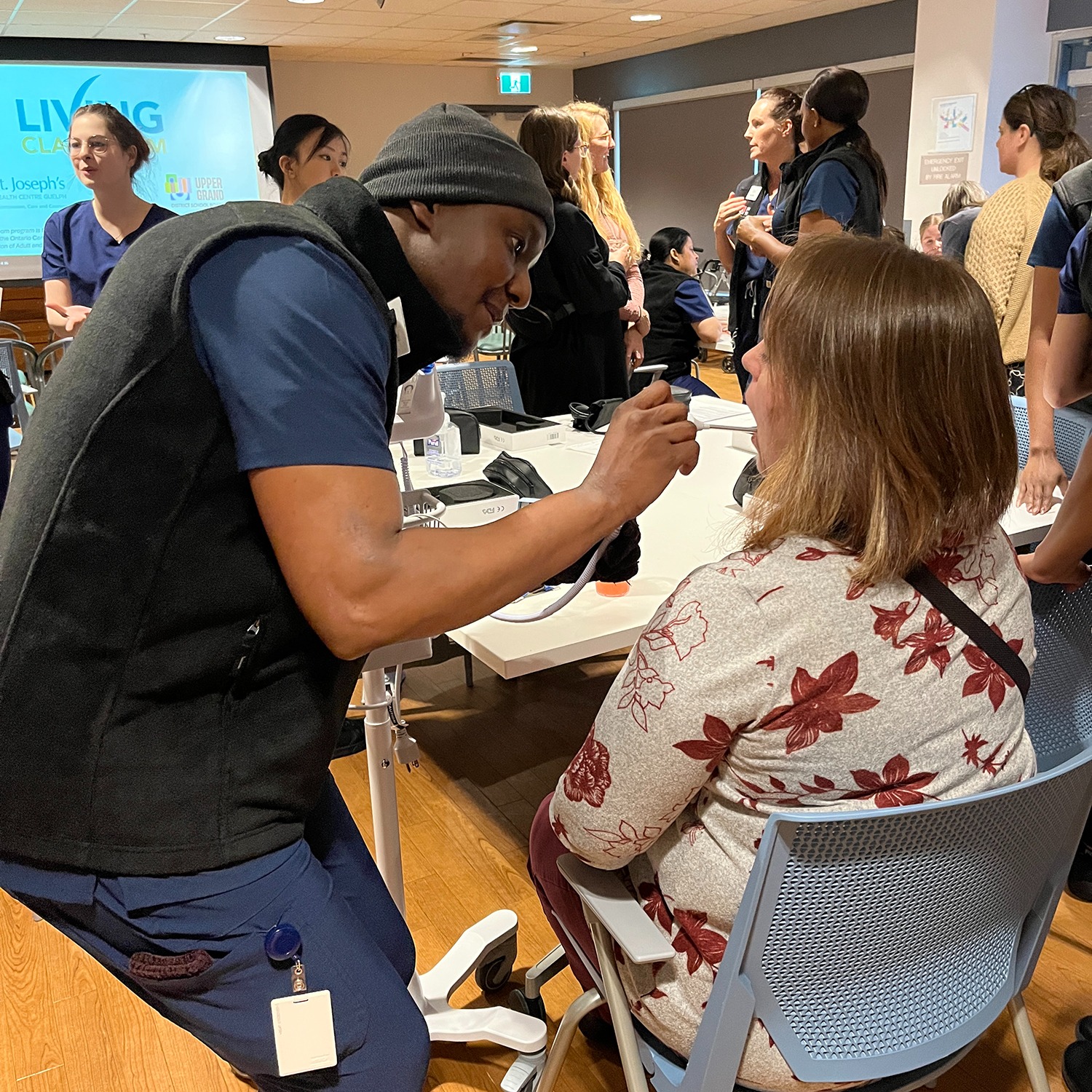
The Living Classroom
This year, UGDSB introduced the innovative Living Classroom model, bringing classroom learning directly into real‑world healthcare settings. Through a new partnership with a local long‑term care and retirement home, our adult learners engaged in hands-on Personal Support Worker (PSW) training—gaining valuable experience in client care, teamwork, and compassionate service. The first cohort of 21 students participated in authentic care activities—from personalized assistance to collaborative care planning—within a professional health environment. This experiential opportunity enriched student learning by bridging theory and practice, and fostered essential skills such as empathy, communication, and critical thinking. Educators noted increased student confidence and readiness as learners stepped into real-world roles early in their training.
This initiative aligns with our Multi‑Year Plan goal of preparing students for success beyond the classroom. By embedding learning into community settings, we’re not only deepening practical skills but also strengthening partnerships that support workforce development. As a result, students are better equipped to meet the growing demand for PSWs and confidently transition into careers that serve the community.

Find Your Path @ 371
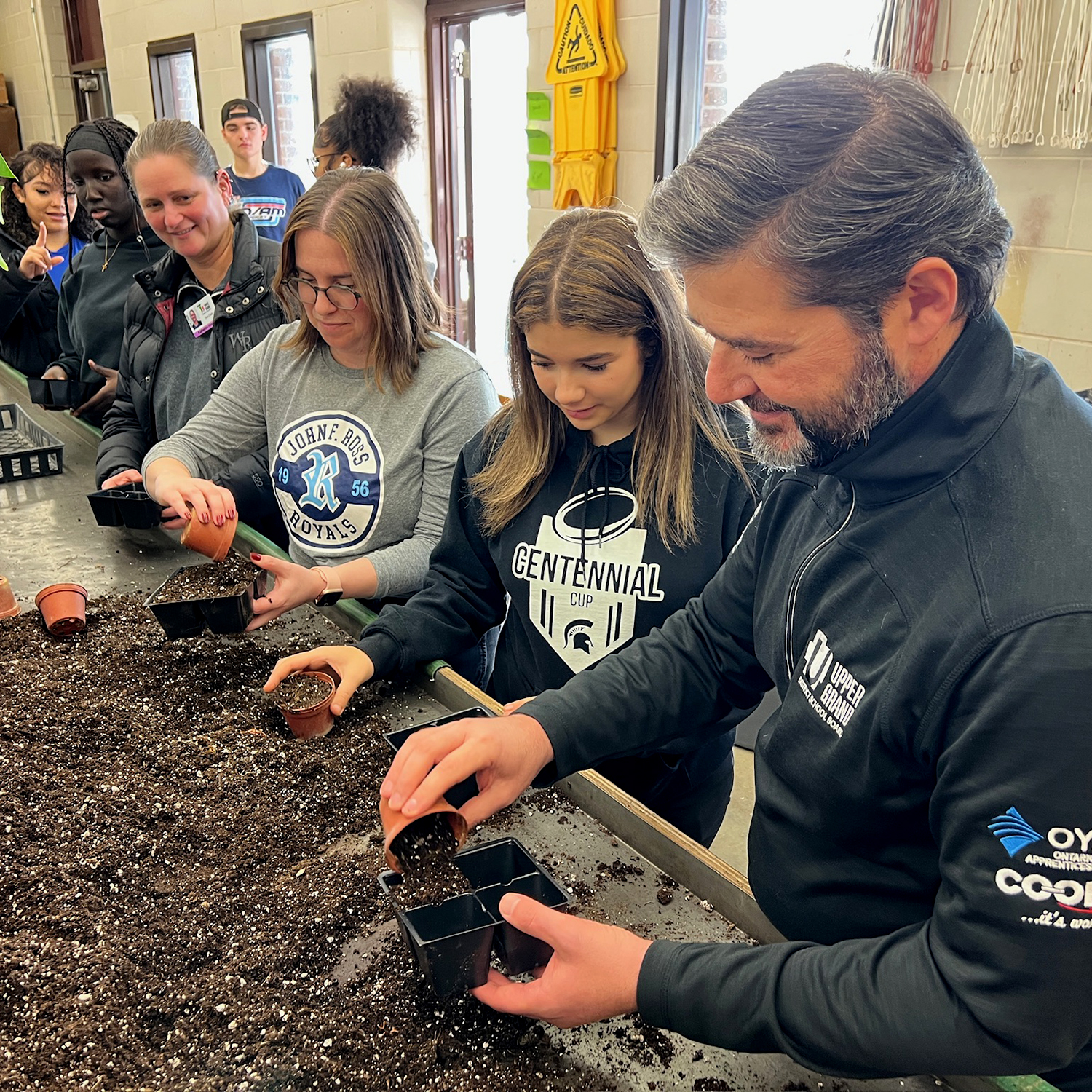
In the 2024-25 school year we announced exciting changes to College Heights Secondary School. Starting in fall 2025, we launched a new Alternative Education program at CHSS, built for students in Grades 11, 12, and 12+. This initiative delivers hands-on learning through Enhanced Specialist High Skills Major (SHSM) bundles and the Ontario Youth Apprenticeship Program (OYAP). Students will explore high-demand sectors such as construction, health & wellness, horticulture & landscaping, hospitality, manufacturing, and transportation—learning in CHSS’s cutting-edge facilities including a greenhouse, welding booths, autobody paint area, and commercial baking kitchen.
To give Grade 10 students a preview, CHSS hosted interactive “Tech Days” where students engaged in real skills and met program staff. These events highlighted how SHSM and OYAP work together to prepare learners for future careers. An Open House in December welcomed families to tour the facilities, ask questions, and explore program opportunities.
With a new name, Find Your Path @ 371, the school's programming offers meaningful, real-world learning designed to connect students directly with equitable post‑secondary and career paths. With hands-on experience, sector-specific certifications, and cooperative placements, this program supports our goal to help all students find their strengths and launch into fulfilling futures.
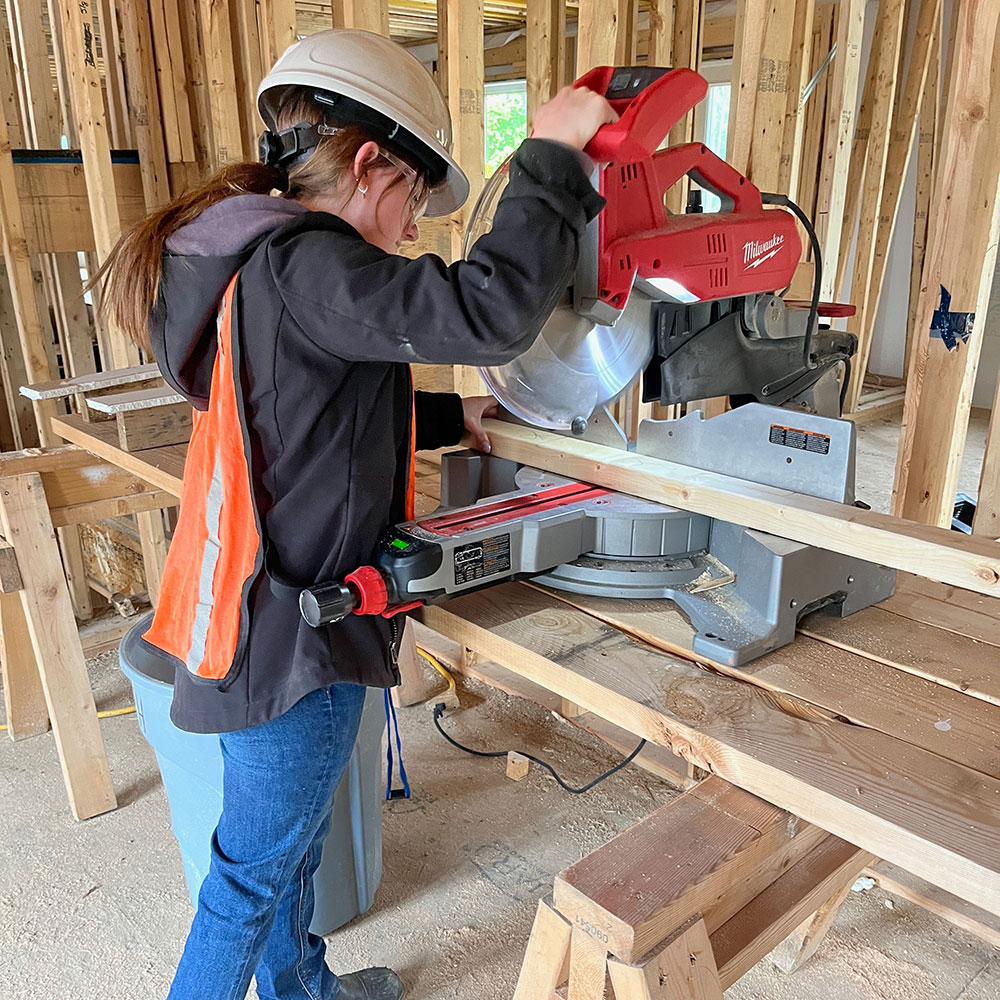
Building Housing, Building Community
UGDSB students brought their classroom learning about housing and affordable living into real-world action—building affordable homes that benefit communities.
In late 2024, SHSM students from Westside SS began constructing a tiny home in collaboration with Habitat for Humanity and a First Nations community in Saugeen. They managed everything from framing and sheathing in all weather conditions—even rain, snow, and sub-zero temperatures—learning resilience and adaptability. In February 2025, students from Orangeville DSS took over to complete the interior, gaining hands-on skills and workplace readiness.
In May 2025, students from Centre Wellington DHS and John F. Ross CVI joined Habitat for Humanity in Fergus to work on Garafraxa Village. Over several days, they measured, cut, and framed portions of the homes, building not just shelter, but also their knowledge in skilled trades. The project was made possible by volunteer mentors and sponsorship from Co‑operators, helping students develop practical carpentry skills and contribute to community goals.
These projects illustrate how UGDSB is bringing learning to life—deepening student engagement and skill development while contributing to affordable housing and community well-being. By connecting curriculum with community action, we’re fostering a lifelong love of learning rooted in real-world impact.
Ensure Equity of Access and Outcomes

The 2024–2025 school year reflects continued progress in embedding human rights, equity, and accessibility into the fabric of the UGDSB. Building on the foundational work of 2023–2024 we strengthened our systems, policy infrastructure, and accountability pathways to better serve students, staff, and families.
A full Human Rights Policy Draft has been completed, marking an important milestone in the development of the board’s first comprehensive Human Rights Policy Framework. Throughout the year, the HREA Office continued to work alongside schools and departments to uphold human rights and respond to concerns where they arose. In alignment with this commitment, the board initiated a third-party review of human rights practices and structures, which will continue into the next phase of implementation. This review serves as an independent mechanism to evaluate strengths, identify systemic barriers, and inform long-term change across the organization.
Learning and capacity-building continued to be a priority. Professional development sessions, school-level consultations, and advisory supports focused on increasing human rights literacy, while human rights considerations were embedded into new and revised policies and procedures.
In collaboration with Research and Innovation, the HREA Office further developed processes for leveraging disaggregated data to understand and respond to disproportionalities through a human rights lens. Data continues to guide system response, accountability, and improvement planning.
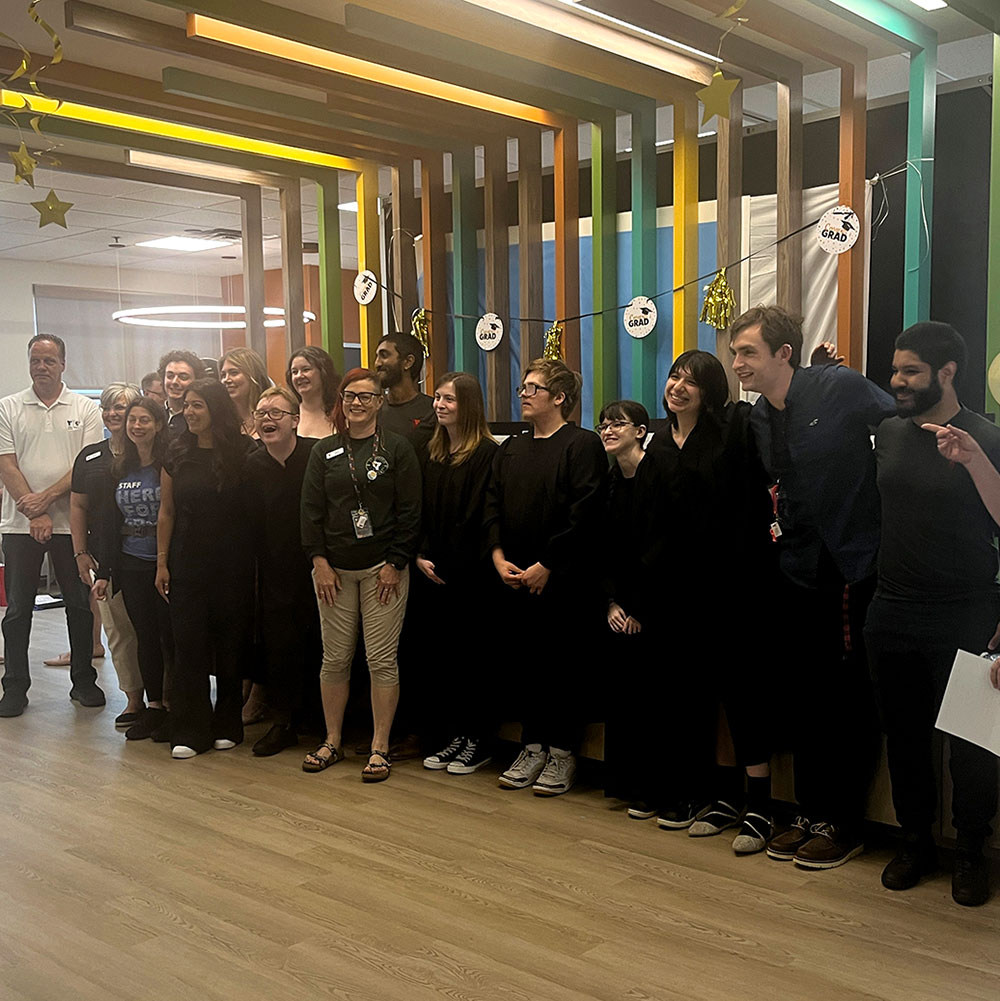
In June 2025, UGDSB celebrated the graduation of its first student interns from Project SEARCH—an innovative school-to-work program. The UGDSB has partnerships with Wellington Catholic DSB, March of Dimes Canada, the YMCA of Three Rivers, and the University of Guelph.
The dedicated student interns each completed more than 700 hours of workplace learning within University of Guelph departments and the YMCA of Three Rivers. Their placements helped them build practical skills, confidence, and readiness for competitive employment. Multiple graduates received full-time job offers following their internship, highlighting the program’s real-world impact.
Project SEARCH supports students with developmental or intellectual disabilities through classroom instruction in employability skills and structured on-the-job training. Daily routines combine classroom learning with immersive internships, reflection, and mentorship—providing tools like teamwork, self-advocacy, financial literacy, and workplace safety.
By celebrating these first graduating cohorts, UGDSB demonstrates its commitment to ensuring equitable access to postsecondary opportunities. The program offers a transformative pathway enabling students to build careers, independence, and community belonging. Plans are underway for a new cohort starting in fall 2025, continuing this important work in expanding opportunities for all students.
Multi-Year Accessibility Plan
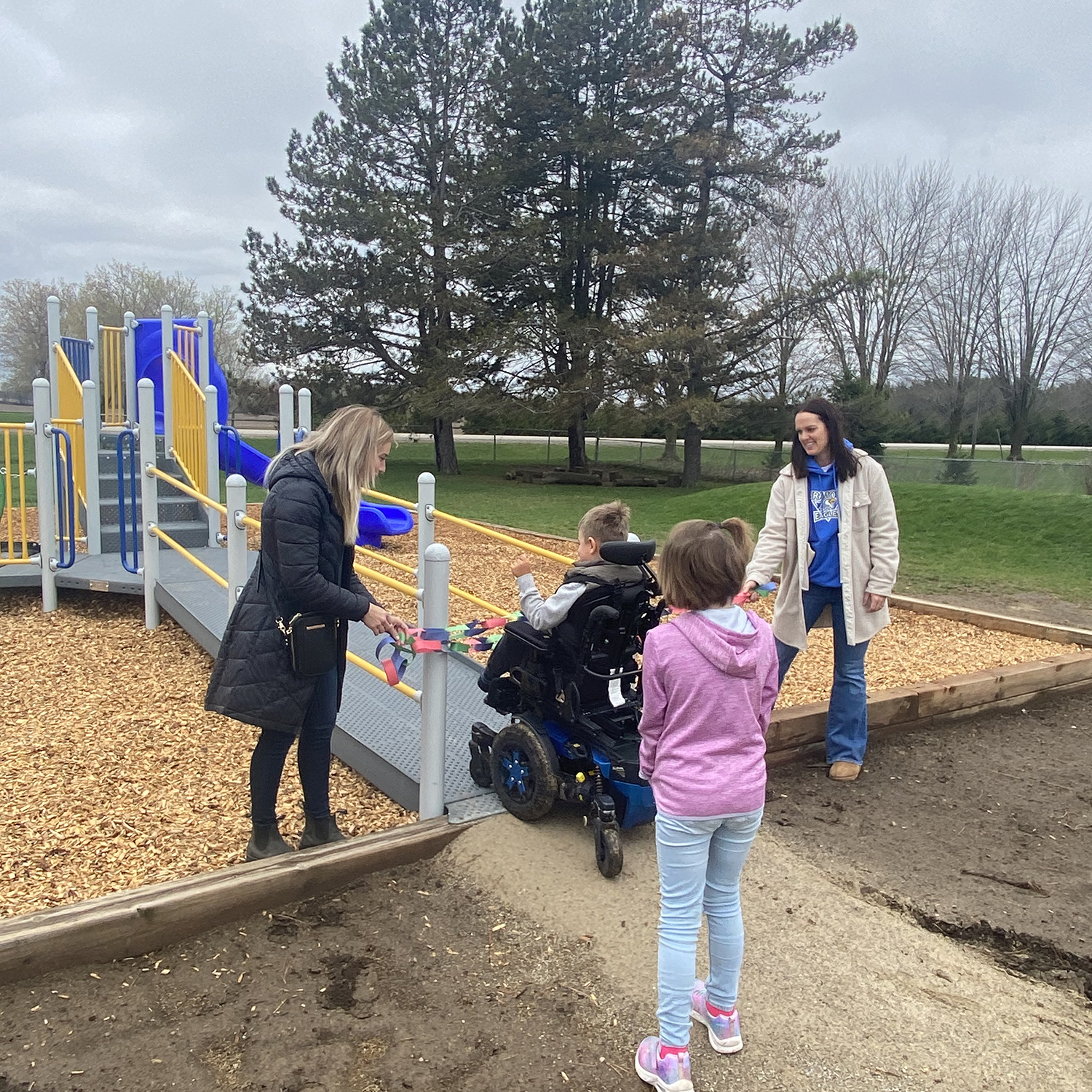
The UGDSB released an updated Multi-Year Accessibility Plan (MYAP), which sets out a comprehensive roadmap to identify, remove, and prevent barriers for people with disabilities across the school board community. This five-year plan outlines measures to improve accessibility for all—students, staff, families, volunteers, and visitors—ensuring that everyone can fully participate in learning and working environments that are inclusive, respectful, and barrier-free. Over the course of the plan, the UGDSB will implement strategies in five key areas:
Built Environment: Continued upgrades to physical spaces, including the addition of universal washrooms, improved corridor navigation, accessible signage, and inclusive outdoor play spaces. All new construction and major renovations will follow updated accessibility design standards.
Information and Communications: Ensuring all digital and print materials are accessible to people of all abilities, including the use of accessible document formats, website compliance with WCAG 2.0 standards, and alternate formats upon request.
Employment: Applying inclusive hiring practices and providing accommodations throughout recruitment, onboarding, and career development for staff with disabilities.
Transportation: Ongoing improvements to transportation services, including accessible school buses and support for students with individualized transportation needs.
Customer Service and Program Delivery: Training for all staff on accessible customer service and inclusive program design, with a focus on promoting dignity, independence, integration, and equal opportunity.
Champion Health and Well-Being
Student Mental Health and Well-Being
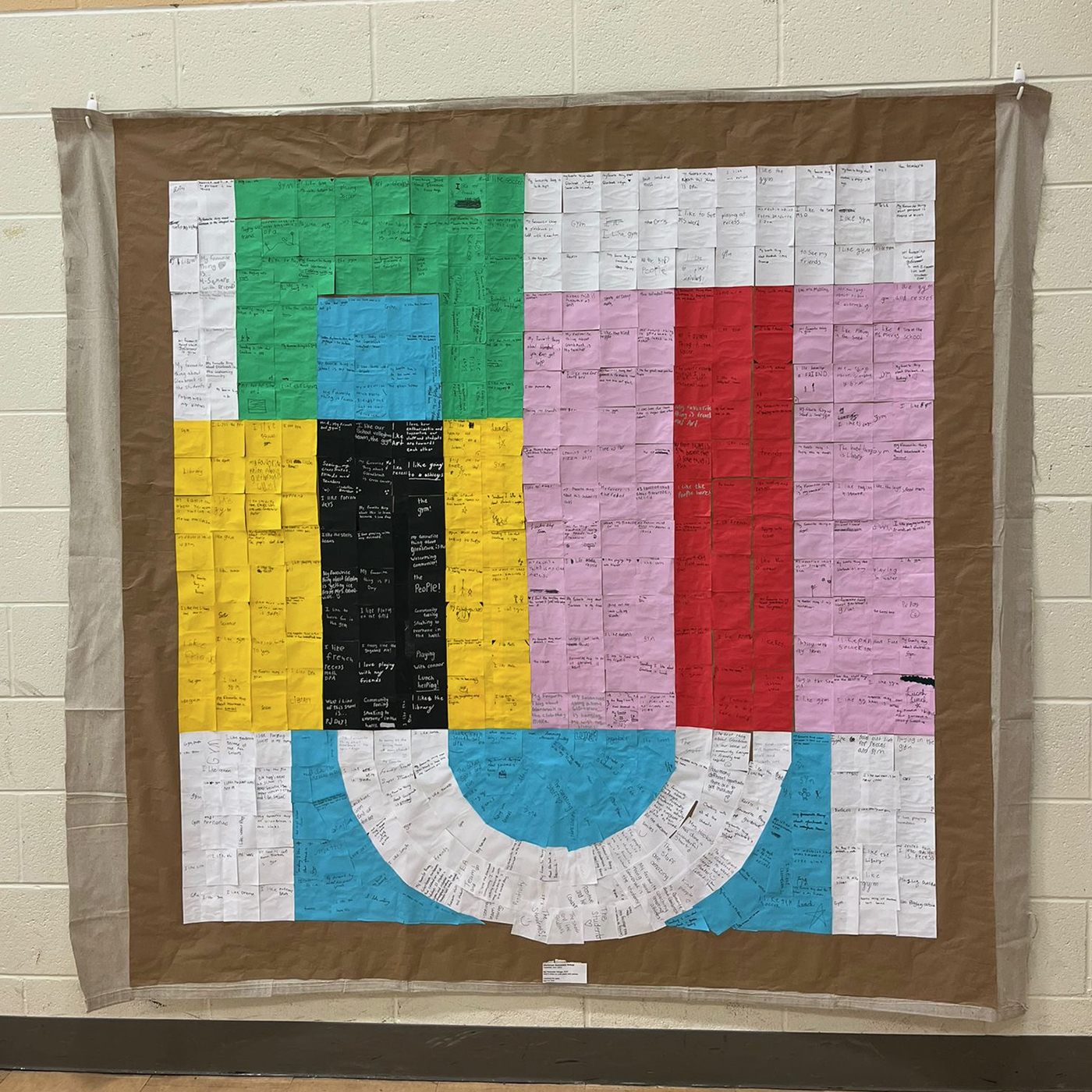
This year, UGDSB advanced its commitment to student mental health and well-being through the 2024–25 Student Mental Health & Well-Being Action Plan. Key priorities included expanding trauma-informed practices across K–12, improving early access to Child and Youth Counsellors and Social Work support, and strengthening the capacity of students, staff, and caregivers to recognize and respond to mental health and addiction concerns. Students now have increased access to brief, evidence-based interventions focused on reducing symptoms and building resilience. Leadership opportunities are also being embedded into programming, helping students feel seen, valued, and connected.
The Every Day Counts campaign continued to grow, reinforcing the message that regular attendance is essential for student success. School-level attendance data is available publicly on the UGDSB website, and remains a key tool in identifying and addressing concerns early. Consistent attendance is closely linked to student achievement, and early intervention continues to be a focus across both elementary and secondary schools.
Promoting Safe and Inclusive Learning Environments
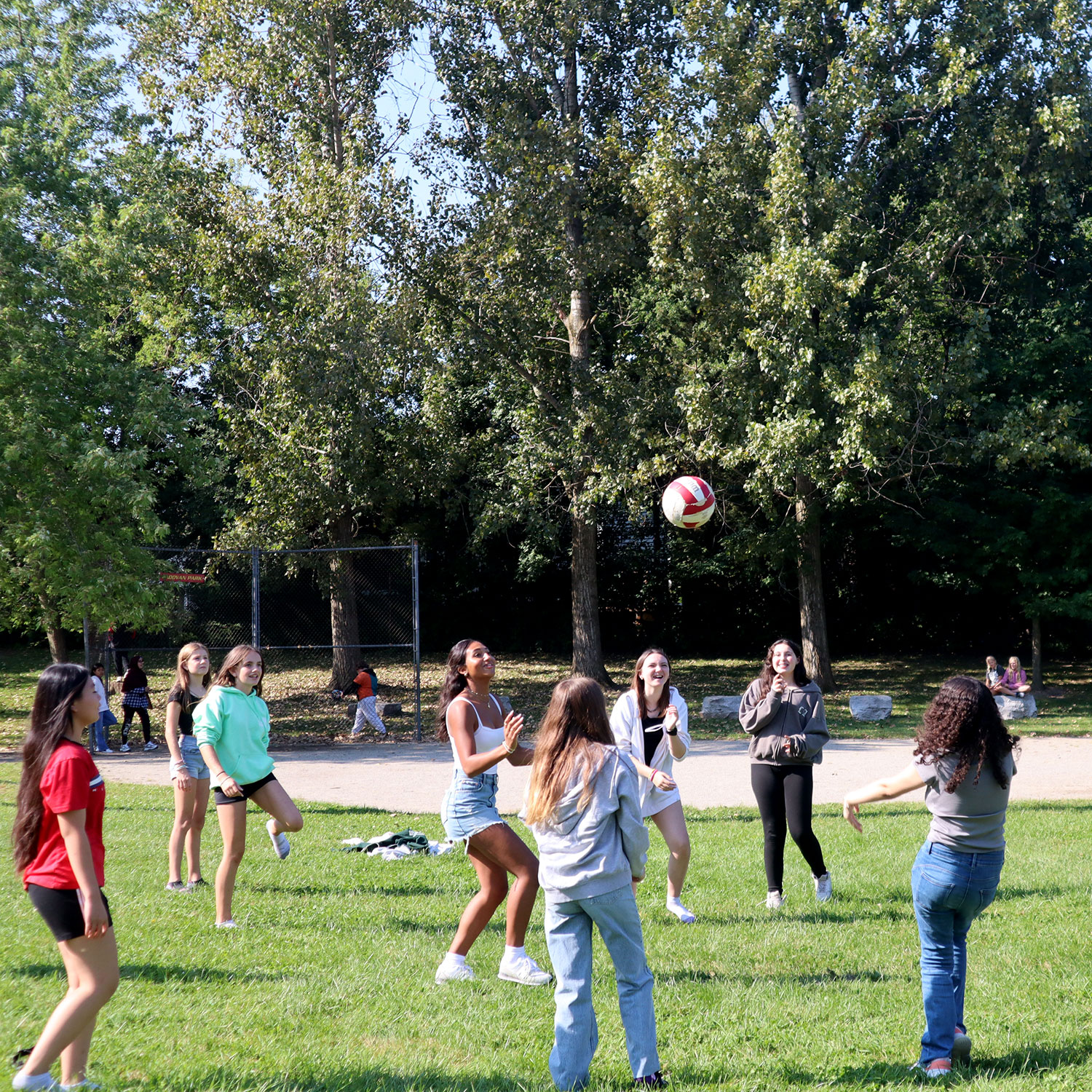
The UGDSB continued to make steady progress in creating safe, welcoming, and inclusive school communities. The 2024–25 Safe Schools Report highlighted encouraging trends across the system, including a continued focus on data-informed monitoring, early intervention, and responsive school practices. Suspension and expulsion rates remain stable following the disruptions of the pandemic, with improved tracking and insight into the reasons for suspensions across elementary and secondary panels.
Innovations like the upgraded Anonymous Bullying and Identity-Based Harm Reporting Tool have empowered students to safely report incidents and support positive school climates. Administrators receive real-time alerts and take action to investigate and resolve concerns.
This work has been reinforced through ongoing communication and engagement with students and parents to clarify expectations, promote awareness, and strengthen shared responsibility for maintaining safe learning environments.
These measures are part of UGDSB’s ongoing commitment to fostering safe, respectful environments where all students feel they belong and can thrive.

Supporting Staff Mental Health and Well-Being
The UGDSB was recognized by Forbes as one of Canada’s Best Employers for Company Culture, as a company that has demonstrated exceptional performance in fostering strong and positive workplace environments.
The board's Wellness Program continued to offer a variety of opportunities for staff to support their health and well-being with 63 programs offered, with both in-person and remote options available to provide flexibility. The programs focused on three primary areas: physical fitness, nutrition, and programs supporting mental health. With 785 registered individuals and feedback from those who participated, we continue to see the positive impact of providing these free wellness programs to staff. 71% of employees surveyed said that they engaged in activities that support their personal wellness at least on a weekly basis. The response is a good indicator that we have surpassed our goal of a minimum of 60% of staff identifying participation in some form of wellness initiative.
The UGDSB has also been identified by School Boards' Co-operative Inc. (SBCI) as a leader in the province in accommodation and return-to-work efforts. Our processes are individualized and intended to provide a safe and sustainable return to work for staff who have been away due to an illness or injury, allowing them to return to the valuable work of fostering engaging and supportive learning environments for our students.
Lead through Sustainability
Sustainability and Climate Action Plan
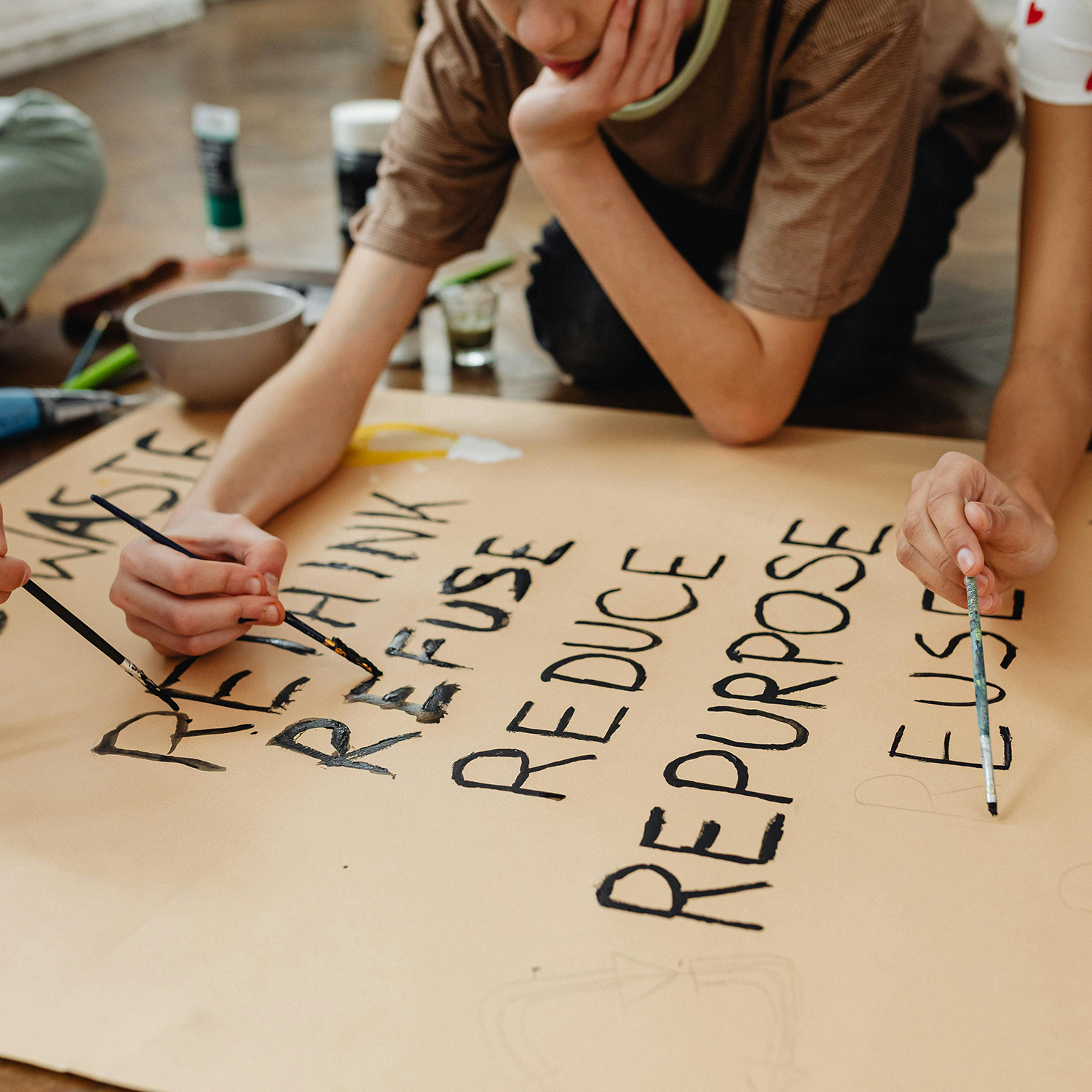
In June 2025, UGDSB launched its most ambitious environmental strategy to date—the Sustainability & Climate Action Plan (2025–2030)—laying a clear path for reducing the board’s environmental impact while embedding sustainability into daily school life. The plan outlines seven focus areas: energy efficiency, waste minimization, water conservation, purchasing and procurement, active transportation, engagement and collaboration, and environmental leadership.
The plan reflects our long-standing commitment to environmental stewardship. Initiatives include increasing energy efficiency through expanded LED retrofits, installing heat pump technology at select schools, and developing customized energy and GHG profiles for each school. The plan also supports expanded outdoor learning, youth-led conservation projects, and tree planting on school grounds.
A new Environmental Education, Stewardship and Sustainability policy (Policy 210) was also approved, guiding how sustainability is taught, practiced, and prioritized system-wide. Complementing this is the launch of the UGDSB Sustainability Hub in Brightspace, which gives staff and students access to curriculum-linked resources, real-time data dashboards, and school-wide sustainability campaigns.

H2Awesome! Water Conference
In the spring, UGDSB partnered with the Wellington Catholic DSB and the City of Guelph to once again host H2Awesome!, a month-long virtual conference exploring the theme Water is Unwavering. Running from World Water Day (March 22) to Earth Day (April 22), the conference invited Grade 7 and 8 students to examine the critical role water plays in sustaining life, ecosystems, and communities—and our shared responsibility to protect it.
Students engaged in rich, curriculum-connected learning about water conservation, innovation, and sustainability. Topics included groundwater protection, sustainable agriculture, renewable energy, and the impact of human choices on water systems. With presentations led by experts and community partners, students learned how individual and collective actions can protect this vital resource.
H2Awesome! reflects UGDSB’s commitment to environmental education and sustainability leadership, empowering students to become thoughtful stewards of the planet through real-world learning.
Grade 9 Climate Showdown
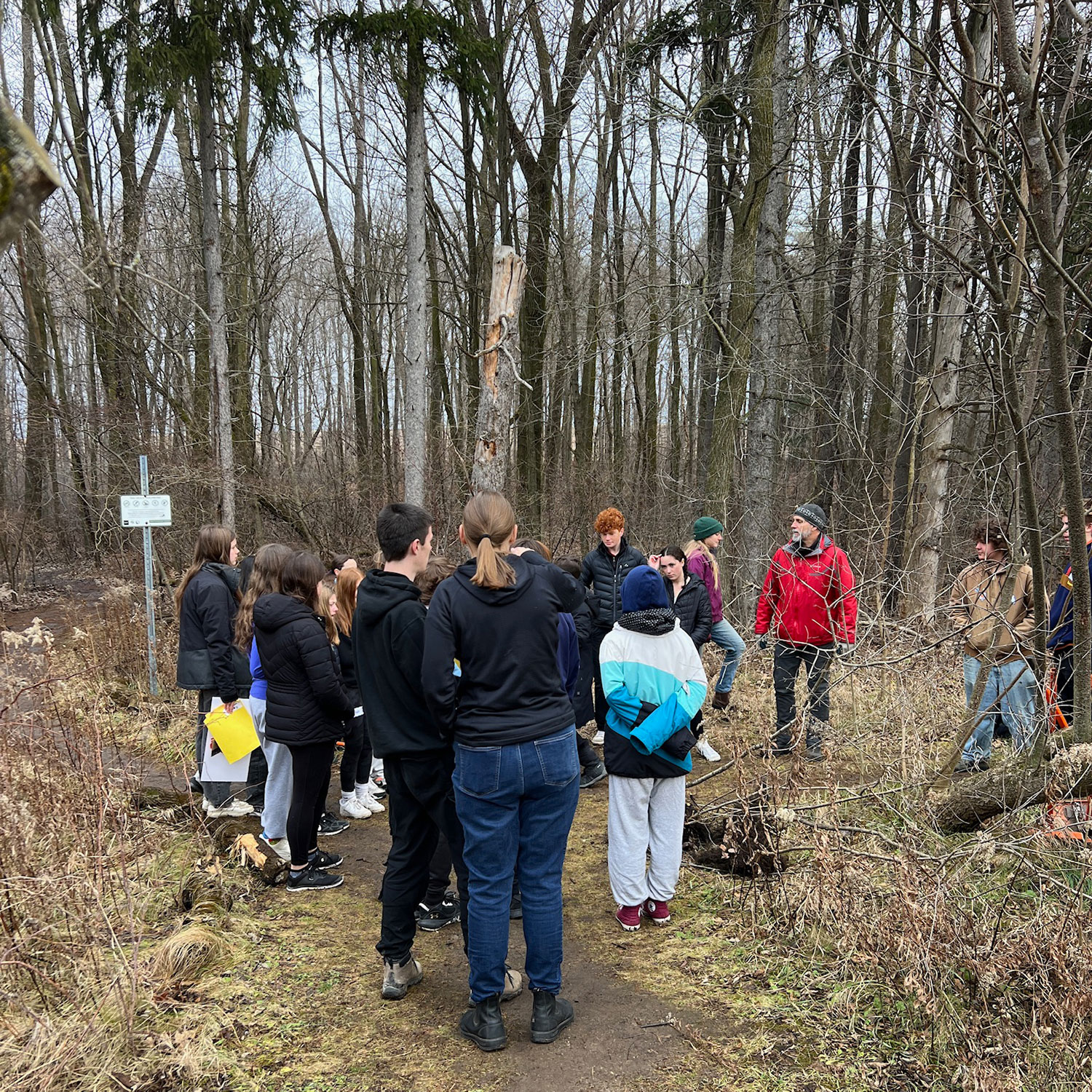
In December 2024, UGDSB hosted its first-ever Grade 9 Climate Showdown, welcoming 150 Grade 9 Geography students from Centennial CVI, Guelph CVI, and John F. Ross CVI to the University of Guelph Arboretum. The event was organised by Grade 10 students in the Community Environmental Leadership Program (CELP), supported by teachers and funded by the City of Guelph’s Youth Climate Action Grant. At the Showdown, students navigated eight hands-on activity stations, exploring topics such as identifying native species, addressing food waste, and composing messages to elected officials. They earned points judged by community leaders, with top-performing teams awarded prize baskets and recognition for their ideas and effort.
The event featured local environmental groups like the Guelph Tool Library and Seniors for Climate Action Now. The Climate Showdown empowered participants to gain hands-on knowledge, build community connections, and take steps toward climate action in their schools and beyond. This initiative demonstrates how UGDSB’s Community Environmental Leadership approach inspires younger learners through peer-led events, practical learning, and community engagement—equipping them to lead through sustainability and environmental citizenship.