
This March, Wellington Dufferin Guelph Public Health has some updates to share with the community. Please see the updates below:
Poison Prevention Week
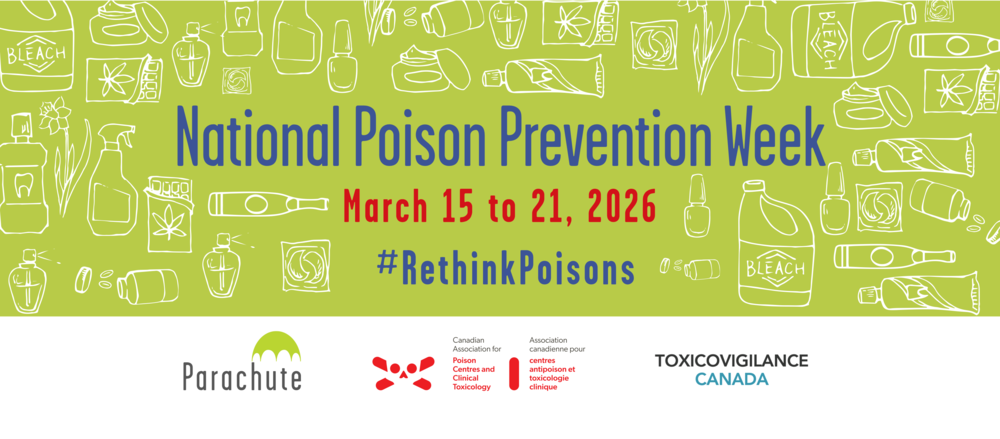
March 15 to 21, 2026 is National Poison Prevention Week. This year’s campaign from Parachute encourages everyone to use over-the-counter (OTC) medications and natural health products safely.
OTC medications such as cough syrups or pain relievers (e.g., ibuprofen – Advil/Motrin) can be purchased without a doctor’s prescription. To ensure that these medications are used safely, it is important to:
Read the medication label and follow dosage instructions. Labels provide information about dosages by age, how much to take in 24 hours, and potential side effects.
Speak to a pharmacist if you have any questions about how the medication may impact you or your child/youth.
Store medications away from a child/youth’s reach. Safely lock them up and return any expired prescription and OTC medications to a pharmacy.
If someone has taken too much medication and may be experiencing a poisoning, call the Ontario Poison Centre at 1-800-268-9017. If they lose consciousness, have difficulty breathing or are having a seizure, call 911. You can find more information about poison prevention at parachute.ca/poisonpreventionweek
Nutrition Month
March is Nutrition Month. As part of this, WDG Public Health has prepared some resources for students, staff, and caregivers regarding healthy nutrition.
Nourish to Flourish: Growing Connection at the Family Table
Nutrition Month is a great reminder that eating well is about more than what’s on the plate; it’s also about the moments shared around it. For young children, regular family meals and snacks play an important role in helping them feel safe and connected while creating routines they can look forward to. These shared moments give kids a chance to talk about their day, feel heard, and learn social skills like taking turns and listening. Over time, family meals also help create traditions and memories that children carry with them as they grow.
Family meals don’t have to be complicated to be meaningful. A familiar routine, such as eating together at the table a few nights a week or involving kids in meal planning or preparation can help turn everyday meals into opportunities for learning and connection.
Nourish to flourish tip:
Invite your child to help choose or prepare a recipe from your cultural roots. Cooking together builds food skills, confidence, and pride in family traditions while strengthening your connection.
Learn more about why sharing meals matters here:
https://food-guide.canada.ca/en/healthy-eating-recommendations/eat-meals-others
Nourish to Flourish: Staying Connected Through Food
As teens become busier and more independent, family meals can be harder to coordinate, but they remain incredibly valuable. Nutrition Month reminds us that eating isn’t just about nutrients; it’s also a powerful way to connect, reduce stress, and support mental well‑being.
Research shows that shared meals can support teens' emotional health by strengthening relationships and offering stability. Family meals provide space to check in and stay connected, even when schedules are full. They're also linked with healthier eating habits and a greater sense of belonging.
For adolescents juggling school, activities, job, and social pressures, sitting down to eat together, even occasionally, can help them feel supported. These moments don't need to be long or formal. A shared breakfast, a weekend meal, or cooking together can all count. Food traditions, whether cultural dishes or favorite meals, carry stories and identity that help teens stay connected to family values and roots.
Nourish to flourish tip:
Make time this week to involve your teen in choosing or cooking a favourite meal together. Nourishing yourself isn’t just about food, it’s also about feeling close to others and feeling good.
Learn more here:
https://food-guide.canada.ca/en/healthy-eating-recommendations/enjoy-your-food/
BrightBites.ca: Your Go‑To Resource for Food Literacy and Student Well‑Being
BrightBites.ca is a trusted, evidence‑based website created by Ontario Dietitians in Public Health to support educators in teaching about food, eating, and well‑being in positive, inclusive ways. Designed specifically for the school community, BrightBites helps students build healthy relationships with food and their bodies while supporting a welcoming and respectful school food environment. Available in English and French.
BrightBites offers K-12, grade‑specific, curriculum‑aligned classroom activities that make it easier to meet expectations across multiple subject areas. The In the Classroom section includes ready‑to‑use lesson ideas and background information that align with Ontario curriculum expectations in Health and Physical Education, Science and Technology, Language, and Social Studies by building food literacy, critical thinking, communication skills, and social‑emotional learning.
BrightBites recognizes that educators play an important role in shaping a supportive school food environment. The School Food Climate section offers tools and ideas for school‑wide initiatives that promote inclusive food practices, body confidence, and a welcoming atmosphere where every student feels respected.
The Resources section provides practical, real‑world guidance to help adults respond to food‑related situations with care and confidence, whether navigating classroom celebrations, addressing body‑based comments, or supporting diverse family food traditions.
By focusing on food as more than nutrients, BrightBites encourages curiosity, connection, and enjoyment, key elements of student well‑being that support learning across the curriculum.
Explore the resources and bring food literacy to life in your classroom at www.BrightBites.ca.
This Nutrition Month lets nourish both bodies and relationships by enjoying food together as a family.